
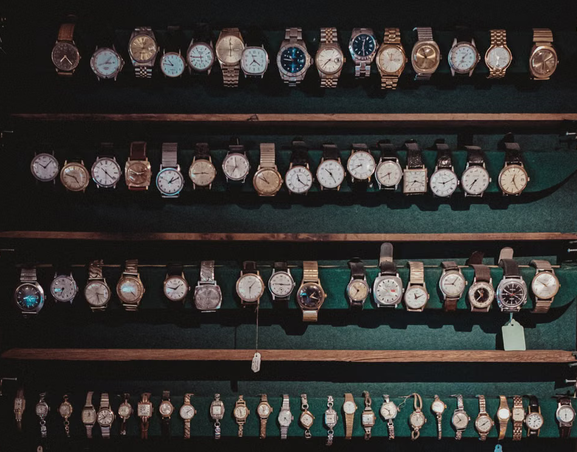
Watches have long served a practical purpose, but their role has expanded as personal appearance has become an important part of how people present themselves. A watch can communicate preferences through its design, materials, size, color, and overall style. Unlike many accessories that may be less noticeable, a wristwatch remains visible during everyday interactions. This makes it capable of contributing to the impression a person creates without requiring an explicit statement about their identity. As personal branding has become increasingly important in professional and social settings, watches have become one way for individuals to express aspects of their personality and interests.
How Design Reflects Personal Preferences
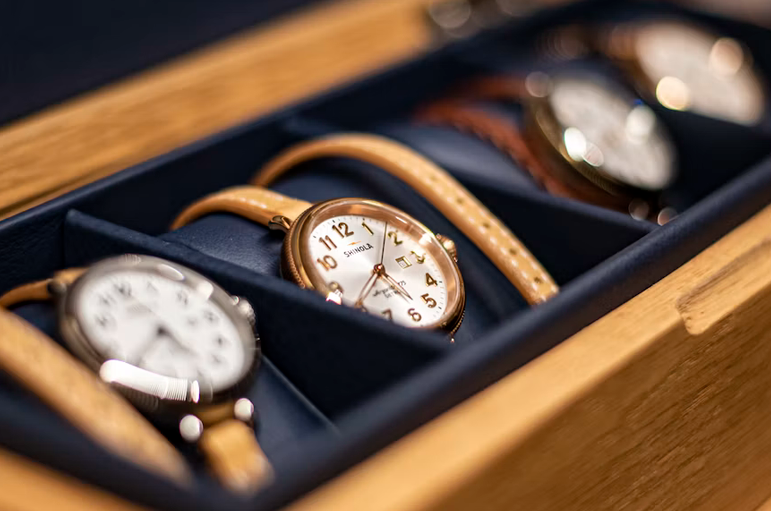
A watch’s design can send visual signals about the wearer. Minimalist designs may fit with understated clothing, while larger or more elaborate watches can become prominent elements of an outfit. Vintage models can signal an interest in history and craftsmanship, while contemporary designs may reflect an appreciation for modern aesthetics. These interpretations are not universal because people can assign different meanings to the same style. Nevertheless, the variety of watch designs allows individuals to choose pieces that complement how they want to be perceived.
The Connection Between Watches and Professional Identity
Watches can also become tied to professional identity because some environments place greater emphasis on appearance and presentation. A carefully selected watch may complement formal clothing without dominating it, while a practical design can suit workplaces where functionality matters more. Over time, particular watches can become associated with someone’s professional image, especially when the same piece is worn regularly. The accessory therefore becomes part of a consistent visual identity. Its significance comes less from the object alone and more from how it fits within the person’s broader presentation.
Why Authenticity Can Influence Personal Branding

Personal branding is not limited to creating a carefully controlled appearance. Consistency between an individual’s interests and the objects they choose to wear can also contribute to an impression of authenticity. Someone who genuinely enjoys watches may choose a particular model for its history, engineering, or design rather than because it signals status. When an accessory reflects an established interest, it can become a recognizable part of personal style. This illustrates how personal branding can develop naturally through repeated choices rather than existing solely as a deliberate marketing strategy.
How Social Media Increased Visibility

Social media has expanded the role of visible accessories by making personal style easier to observe and document. Photographs, professional profiles, videos, and other forms of online content can repeatedly expose an individual’s clothing and accessories to an audience. A distinctive watch can consequently become part of someone’s recognizable visual presentation across different platforms. Watch collecting communities and online discussions have also made specific designs more visible to wider audiences. This increased exposure has strengthened the link between watches, identity, and how people construct recognizable personal images online.
Watches have become part of modern personal branding because they combine practical function with a highly visible form of personal expression. Their designs can reflect preferences, complement professional presentation, and communicate interests that become associated with an individual’s appearance. Social media has further increased the visibility of these choices by letting wider audiences see personal style repeatedly. While a watch does not define someone’s identity, it can become a recognizable element within a broader visual impression. Its role in personal branding therefore comes from the relationship between the object, the wearer, and the context in which it is presented.

